Lone working is any work carried out by someone without close or direct supervision, where no colleague is near enough to help if something goes wrong. That is the definition the Health and Safety Executive (HSE) uses, and it covers far more than working in an empty building.
Who counts as a lone worker
The test is proximity of help, not job title. Someone surrounded by members of the public is still a lone worker if no colleague is close enough to intervene. The HSE's guidance groups the situations like this:
| Situation | Examples |
|---|---|
| Alone at a fixed site | A shopkeeper or petrol station attendant on a single-staffed shift, a warehouse operative, the person locking up |
| Mobile and field work | Delivery drivers, engineers on call-outs, surveyors, security patrols |
| Visiting other people's premises | Community nurses and health visitors, housing officers, social workers, estate agents on viewings |
| Working from home | Anyone whose work for an employer is done at home, a group the HSE explicitly includes |
The duty extends beyond direct employees. An employer's responsibility for managing lone working risks covers anyone contracted to work for them, including self-employed contractors.
Is lone working legal?
Yes. No UK law prohibits working alone, and for most roles there is no general requirement for a second person. What the law requires is that the risks are assessed and managed before anyone works alone. The duty of care in the Health and Safety at Work etc. Act 1974 applies with full force to lone workers, and the Management of Health and Safety at Work Regulations 1999 require the risk assessment that decides whether lone working is acceptable for a given task, and on what conditions. A small number of high-risk activities do need more than one person present, which is a finding the risk assessment itself produces. The detail sits on the legal responsibilities page.
Why lone working carries extra risk
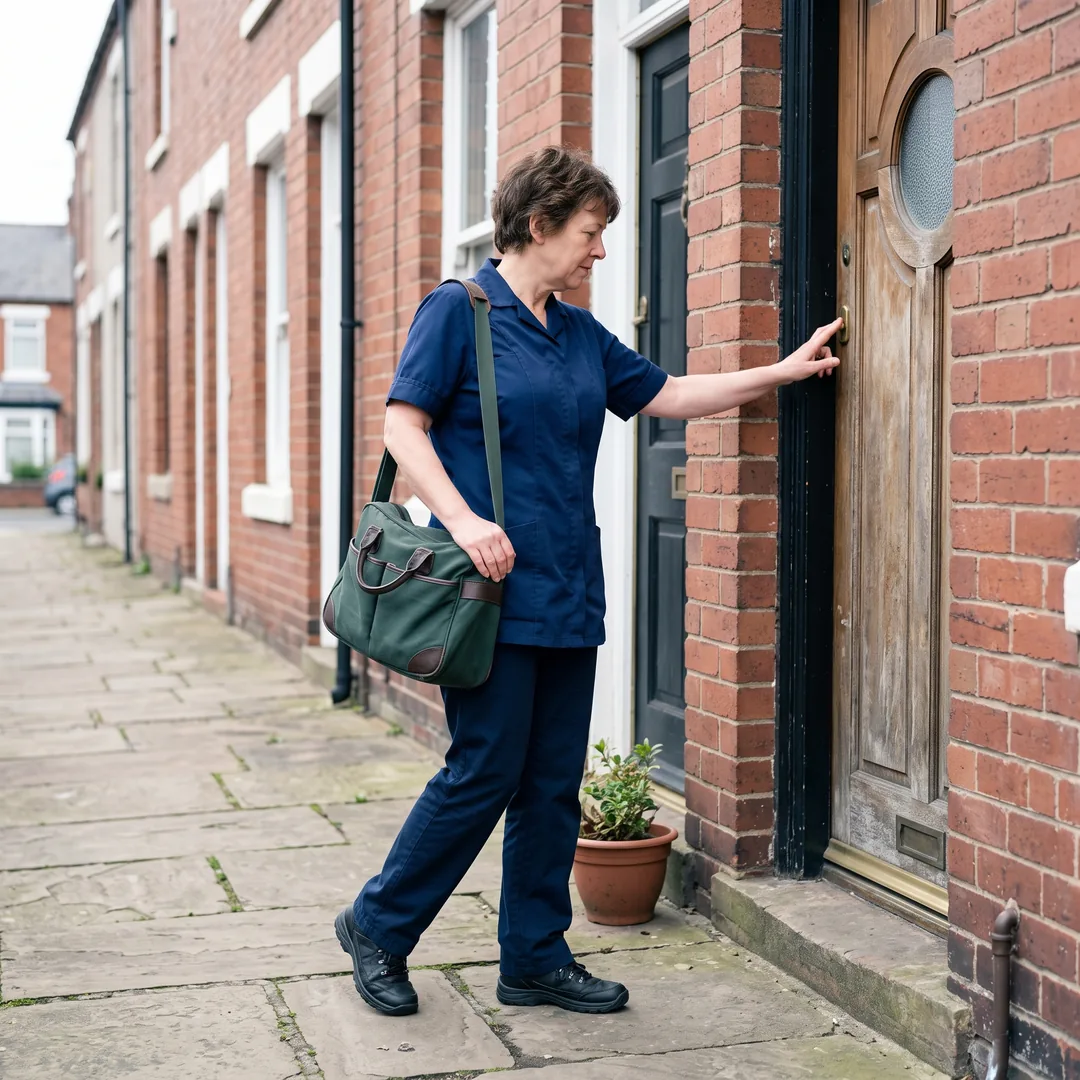
The hazards of a job do not change because someone does it alone. What changes is what happens next. A fall that a colleague would report in seconds can leave a lone worker undiscovered for hours. A confrontation that a second person's presence would have defused can escalate. The risk categories, from violence and aggression through accidents and sudden illness to the quieter effects of isolation, are covered on the risks and challenges page.
What employers are expected to do
The HSE's guidance for employers, Protecting lone workers (INDG73), sets the expected shape. Assess the risks of each lone working situation. Decide the control measures, including how workers stay in contact and how they raise an alarm. Train people before they work alone, and supervise new starters until then. Write the arrangements down, which in practice means a lone worker policy. Where the assessment finds a real chance of a worker needing urgent help, employers add a monitored alarm, and that is where lone worker solutions and the BS 8484:2022 standard behind them come in.
In this guide
-
Risks and challenges
What actually goes wrong, and for whom.
-
Legal responsibilities
The acts and regulations that apply and what they demand.
-
Risk assessment
The five-step process the law expects.
-
Lone worker policy
What to include, with a free template to adapt.
-
Best practices
The procedures, check-ins and training that make a policy work day to day.