A man down alarm is a lone worker device function that raises an alert automatically when its sensors detect a fall, a hard impact or a period without movement. It exists for incapacitation: the incidents where the worker cannot press an SOS button because they are unconscious, trapped or too injured to act.
How the detection works
The device carries motion sensors, and the alarm logic watches for combinations that suggest a person is down. A sudden impact followed by stillness. A change in orientation that stays changed, the pattern of someone lying down who should be standing. Or simply no movement at all for a configured period. Different manufacturers weight these signals differently, which is why sensitivity is configurable rather than fixed.
Detection is followed by a pre-alarm. The device sounds and vibrates for a short countdown, giving a worker who is fine the chance to cancel before the alert goes anywhere. Only when the countdown expires does the device open the call to the alarm receiving centre, with location and live audio, exactly as if the SOS had been pressed. The pre-alarm is what makes the feature liveable: without it, every dropped device would summon an operator.
Who needs one
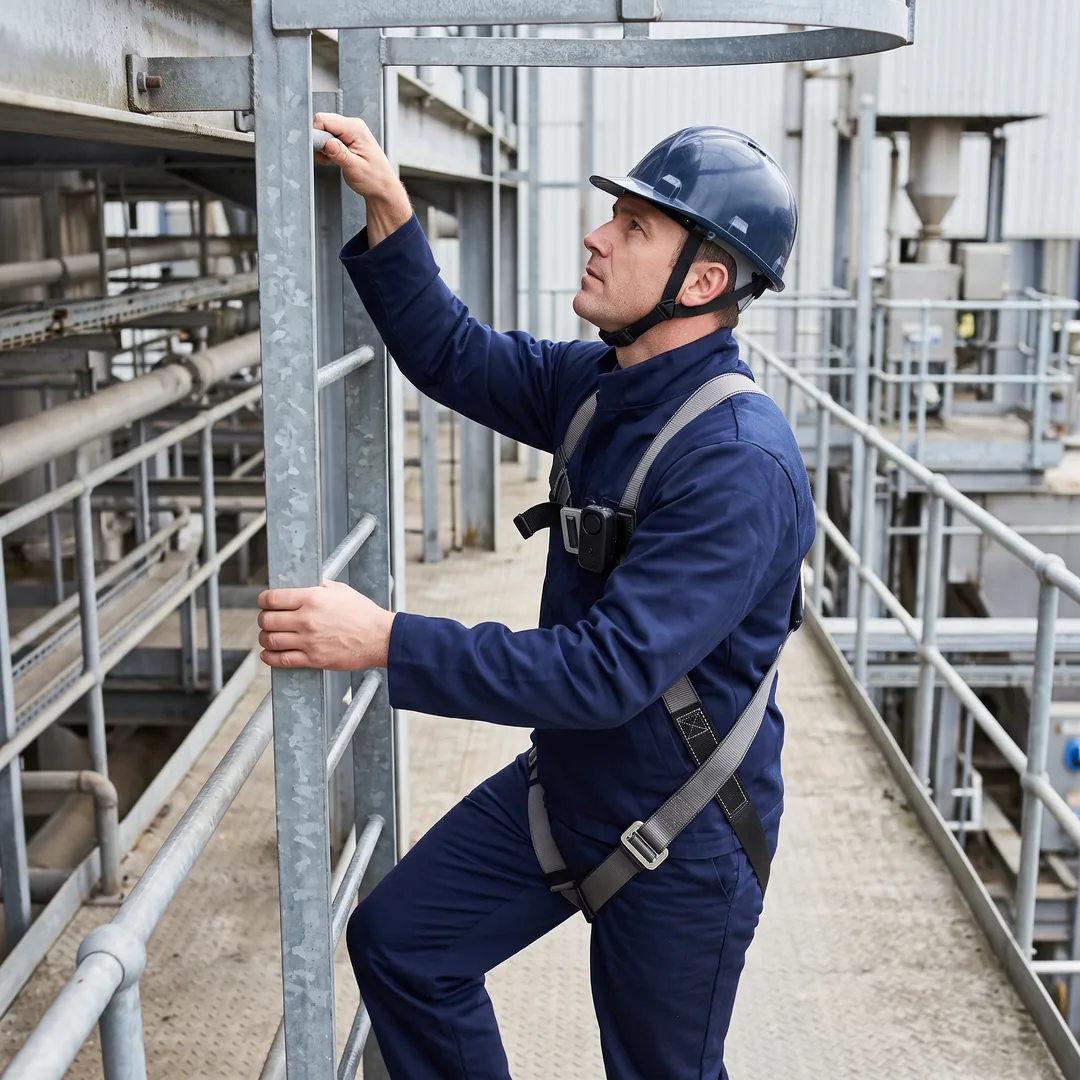
Man down detection is the control for risks where incapacitation is the credible failure, rather than confrontation. The risk assessment points to it when work involves:
- Working at height, where the fall itself is the incident
- Working alone with machinery or vehicles
- Slip, trip and struck-by hazards on solo shifts, from warehouses to farms
- Medical risks such as seizures or cardiac events in staff who work out of sight
- Environments where heat, cold or fumes could take effect gradually
For public-facing roles where the main risk is aggression, the priority runs the other way: a discreet SOS on a badge device matters more than fall detection, though many devices carry both.
Dedicated device or phone-based
Some lone worker apps offer man down detection using the phone's own sensors. It can work, with two caveats the risk assessment should weigh honestly. A phone in a bag or on a van seat measures the bag or the seat, not the person; detection assumes the sensor is worn. And a dead phone detects nothing, which matters for long shifts. Where incapacitation is the primary risk, a worn dedicated device with days of battery is the safer default, and the reasoning is the same as the wider device versus app choice.
False alarms and tuning
Every man down deployment generates false activations at first: devices dropped, thrown onto passenger seats, or worn during physical tasks that mimic a fall. The fix is configuration and habit, not switching the feature off. Sensitivity levels and no-movement timers should match the role (a surveyor who kneels for long periods needs different settings from a driver), the pre-alarm gives workers the cancel window, and induction should include deliberately triggering the pre-alarm so nobody panics at the sound. An audited monitoring centre expects a false-alarm rate and screens it; the operator listening before escalating is the final filter that protects the police response route from misuse.
What happens after the alarm
A man down alert reaching an alarm receiving centre is handled like any red alert, with one difference: the operator may be listening to someone who cannot respond. That is precisely the scenario where trained, dedicated lone worker operators and a BS 8484:2022 audited escalation route earn their place, because the decision to send help rests entirely on protocol and what can be heard. In a service audited against the standard, that escalation can reach a fast-tracked police response; the mechanics are on the alarm monitoring page.